
When we talk about childhood trauma, our minds often turn to neglect, parental abuse, or school bullying. What rarely comes up—but should—is sibling abuse. It’s one of the most overlooked and unrecognized forms of childhood trauma, despite being far more common than many realize.
Part of the reason sibling abuse remains in the shadows is that it disrupts a cherished myth: that siblings are built-in best friends. Parents often cling to this ideal—that no matter what, siblings will support, protect, and love one another. This belief runs deep, so much so that when conflict escalates into abuse, it’s minimized or dismissed altogether. It becomes “just rivalry,” “normal fighting,” or worse, the fault of the victim for being “too sensitive” or “provoking it.”
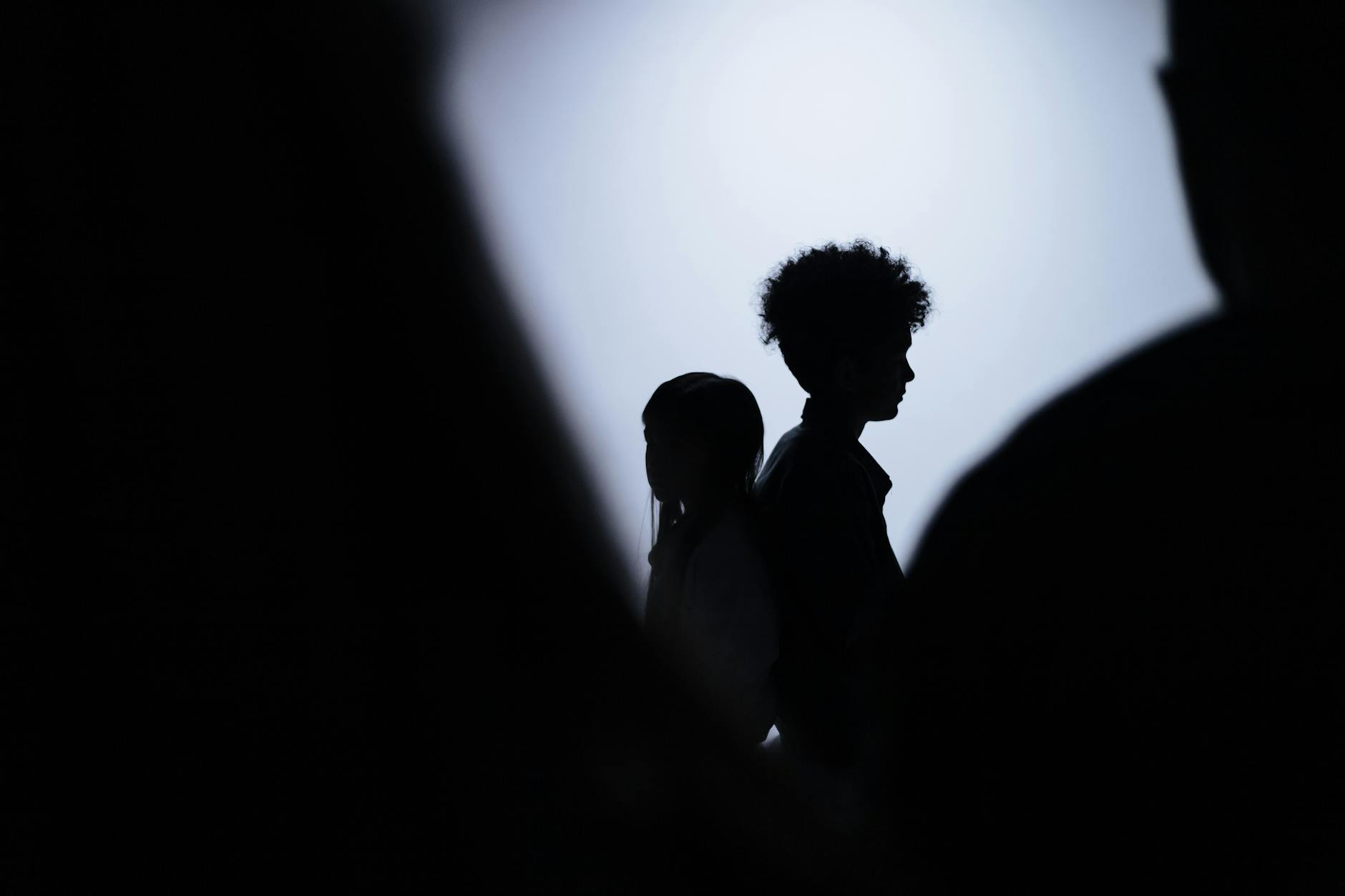
For children suffering from sibling abuse, the home becomes a place of deep confusion. They are hurt by someone they’re told to love. And when they try to speak up, they’re often met with denial, defensiveness, or outright blame. Parents may shut them down—not necessarily out of malice, but because acknowledging abuse between their children can feel like a personal failure, or something too painful to face. The result? The abused child is left isolated, invalidated, and without a safe place to turn.
Case Study: Phoebe – The “Troubled Child” Who Wasn’t the Problem
I met Phoebe in therapy when she was a grown woman and a mother herself. At that time, she was serving a sentence in prison—a place she had landed after years of drug use, homelessness, and chaos. She was intelligent, deeply reflective, and painfully weighed down by the belief that she had always been the family’s burden.
From the start, Phoebe described her childhood as “normal.” She spoke of a stable home, two loving parents who worked hard, and a brother who, at least on the surface, was protective and kind. There was no immediate indication of trauma—no red flags, no obvious neglect or violence. Instead, what dominated Phoebe’s narrative was a deep, corrosive sense of guilt. She believed she had been born wrong, that she was somehow a curse upon her otherwise “perfect” family. “I was always the problem,” she said.
It took time—and trust—for the layers of that belief to begin unraveling. Then, one day in session, a childhood memory surfaced. Phoebe recalled being around nine years old, arguing with her older brother. In a flash, she remembered how he had grabbed her, dragged her into a cupboard, and held the door shut while she screamed and cried in the dark, terrified. It was a small, brutal moment—but it unlocked a flood.
With each session, more memories came back. Small, insidious acts of power and control—being hit, humiliated, cornered—always when their parents weren’t around. At school, he was her “protector,” earning praise for looking out for her. At home, he was respectful in front of their parents. It was the perfect cover. Phoebe had no words back then for what was happening, no evidence to offer, and no safe adult to confide in. Who would believe her, when her brother was the golden boy and she was “the difficult one”?
She started running away from home at twelve. Each time she came back, her parents tried harder to “fix” her—with stricter rules, therapy, even tough love. But no one asked why she was running. No one looked beneath the surface of the “troubled child.” And Phoebe, like so many survivors of sibling abuse, internalized the blame.
The Power of Remembering: Reclaiming the Truth of Childhood
Phoebe’s story is not unique—but it is rarely told. What helped her begin to heal was not a grand revelation, but a single memory. That one moment—trapped in a cupboard by someone who was supposed to love her—opened a doorway to the truth she had buried to survive. As more memories surfaced, so did a new understanding of her life. The chaos, the running, the deep sense of being “bad”—these were not signs of a broken child, but of a child who had been deeply hurt and never heard.
Childhood memories, especially those long repressed or dismissed, can become powerful keys in therapy. They allow clients to make sense of patterns that once felt like personal failures. They give context to the shame, the self-blame, the lifelong sense of being “too much” or “not enough.” When we begin to piece together what really happened—not what the family told us, not what we forced ourselves to believe—we begin to shift those deep, false narratives about ourselves.
Recognizing sibling abuse means confronting uncomfortable truths about family. But it also means making space for survivors like Phoebe to finally understand that they were never the problem. They were trying to survive something that no one was willing to see.
It’s time we start seeing it—and stop clinging to the comforting idea that siblings are always best friends. We need to recognize the existential reality of sibling dynamics: they are often shaped by rivalry, power struggles, and unmet emotional needs. These relationships can be complex, painful, and far from the idealized bond we so desperately want to believe in. Too often, parents are too preoccupied, overwhelmed, or emotionally unavailable to notice what’s really going on between their children.
Only by letting go of these illusions can we begin to hear the voices that have been silenced for far too long.
 PTSD treatment